
Field production
Beyond the studio walls: how does the alliance of TVU MediaMesh and Pixelstorm change the rules of outside broadcasting and live coverage?
Broadcast engineering has long faced a complex logistical challenge when trying to take mixed reality and virtual production technologies outside the controlled environments inside television stations.
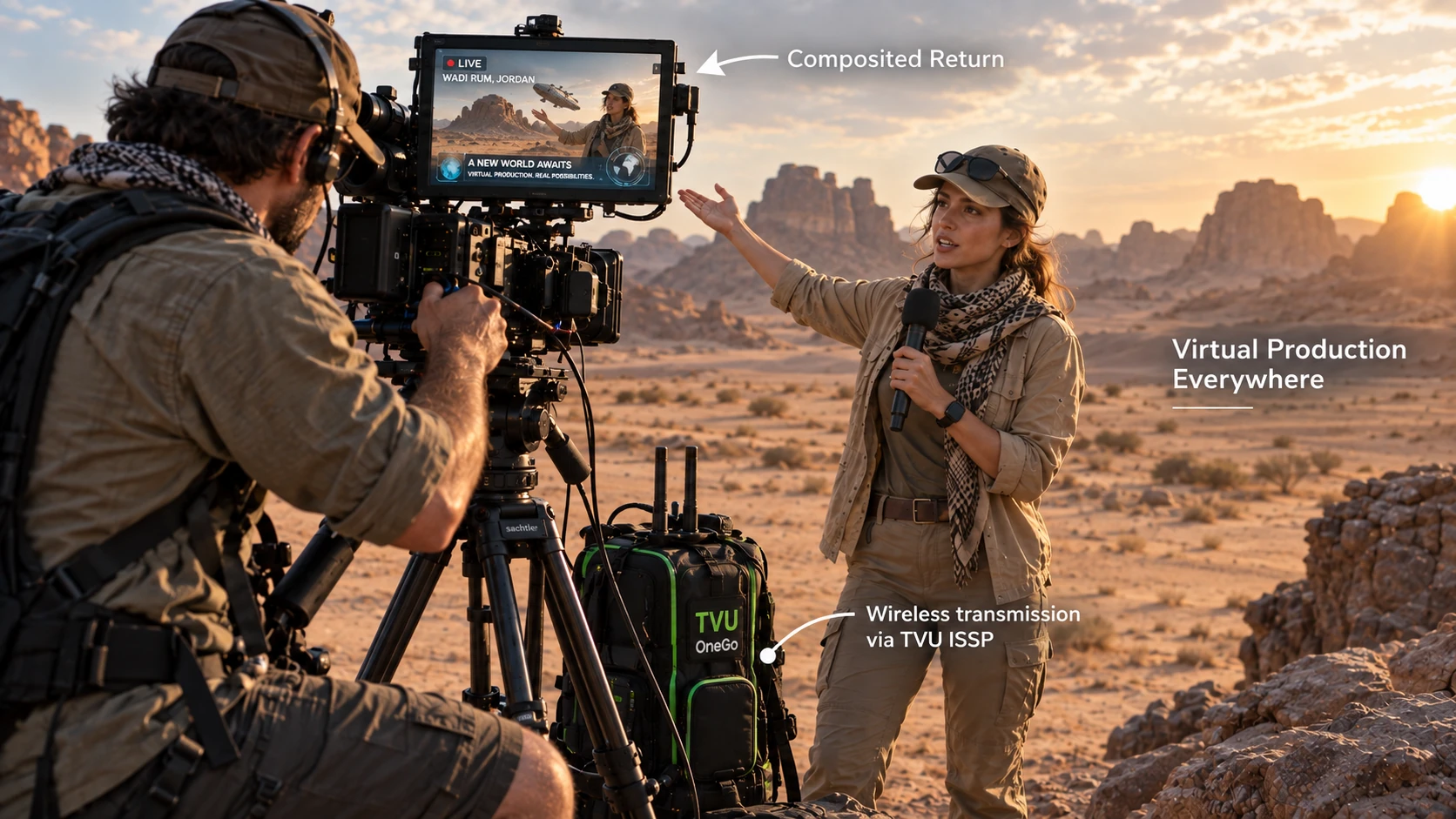
Broadcast engineering has long faced a complex logistical challenge when trying to take mixed reality and virtual production technologies outside the controlled environments inside television stations. In remote field coverage, major sporting events and breaking-news locations, it is physically and technically impossible to transport giant GPU render servers or install massive physical LED walls in the field. This geographical barrier used to leave production teams with two choices: either give up advanced visual effects, or bear high operating budgets and technical risks to move sensitive, complex equipment to outside shooting locations.
To face this dilemma, the TVU MediaMesh intelligent network transport system meets the advanced software and operating architecture of Pixelstorm LLC FZ; it is a UAE company. This structural alliance delivers integrated solutions that free outside broadcasting from the constraints of place, relying on the stable live streaming protocol (ISSP) as a core operating pillar that guarantees the ideal balance between efficient use of resources and speed of performance in the field.
📡 The concept of shared memory and outside-broadcast nodes
TVU MediaMesh does away with the traditional methods of moving video, which are based on repeated copy-and-convert cycles between technical devices and are the first cause of high latency and lost frame quality. Instead, the system provides a "global shared memory for live video" environment (Global Shared Memory). As soon as the video stream leaves the portable camera at the event location, it is not sent as a heavy file; it is represented in the cloud or hybrid network as a "smart digital pointer" (Pointer).
This structural design immediately lets Pixelstorm's VMediaBoard system capture the video stream and work on it directly through the remote render servers. The practical result is that the field crew can produce a live broadcast that includes augmented reality (AR) elements and complete virtual sets that interact precisely with the movement of the camera and the lenses, while logistically the field needs nothing more than a camera and a small transmission device.
⚡ The ISSP protocol: the operating core directed at energy synchronisation and speed
In outside environments far from fixed studios, the ISSP protocol forms the essential engineering link that guarantees the integration of this production line, thanks to its philosophy of synchronisation and resource direction:
- Dynamic adjustment of the data flow: the ISSP protocol analyses the state of the network's bandwidth at the field location moment by moment, and adjusts the volume of data sent to match precisely what the render engine needs. This automatic coordination prevents the servers' processing power from being wasted on handling surplus data packets or computing damaged frames.
- Unified performance integration: thanks to the ISSP protocol's compatibility with the fully unified, 100% Linux operating-system environment on which the whole system runs, data is exchanged directly inside the server's shared local memory (Shared Local Memory). This reduces software conversion cycles and guarantees that the final composited image (Final Pixel) comes out with near-zero latency and the highest purity, completely avoiding ghosting artifacts on the presenter's facial features or the colour lines of their clothing.
🛠️ System management and securing the broadcast (Build, Observe, Operate)
To make day-to-day management and control easier for engineering and directing teams, the system is divided in software into three direct visual control levels:
- Building the field flow (Build): a No-Code graphical interface that lets the station's engineers connect remote outside cameras to Pixelstorm's Unreal Engine and drag and arrange elements in seconds.
- Monitoring and proactive analysis (Observe): a unified management dashboard to follow the stability of the broadcast line. Here the proactive AI Agent, built in Python through Model Context Protocol servers (MCP Servers), steps in: it analyses performance indicators and predicts technical problems or faults before they occur on air, providing a highly secure and reliable working environment.
- Real-time operation (Operate): a simplified interface that lets the director control shot switching and launch interactive elements at the touch of a single button during the live broadcast, without going into the system's back-end software complexities.
💡 The economic and operational conclusion
The structural alliance between the intelligent transport technology of TVU Networks and the software solutions of Pixelstorm reflects a practical shift suited to the strict requirements of major television stations, through on-premise deployment options and hybrid cells that guarantee data privacy and exclusivity, and it also serves content creators and independent studios through the flexibility of cloud processing. The integration of a balanced protocol such as ISSP has succeeded in freeing live field broadcasting from physical and geographical obstacles, making it a secure, stable digital service with well-considered operating costs.
Share this article
Articles
Read next
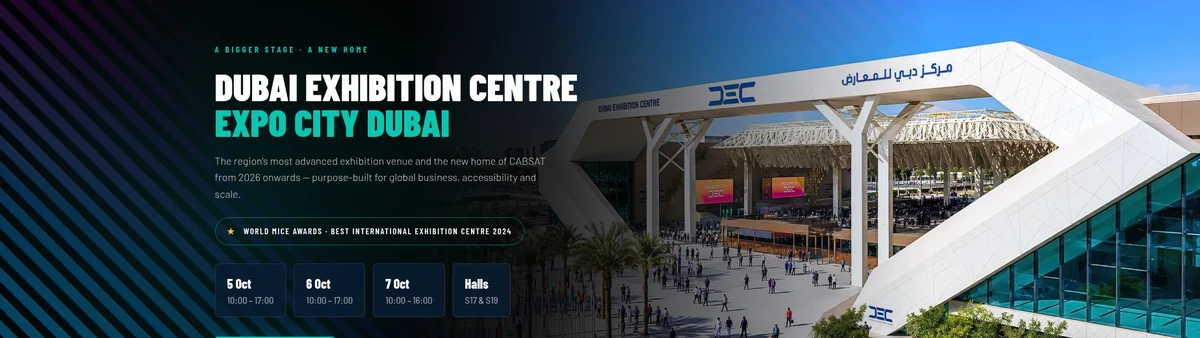
Pixelstorm officially launches the VMediaBoard system at CABSAT 2026 in Dubai
The media, television broadcasting and mixed reality technology sector across the Middle East, Africa and South Asia turns to the Dubai Exhibition Centre, host of the 33rd edition of CABSAT 2026 from 5 to 7 October 2026.
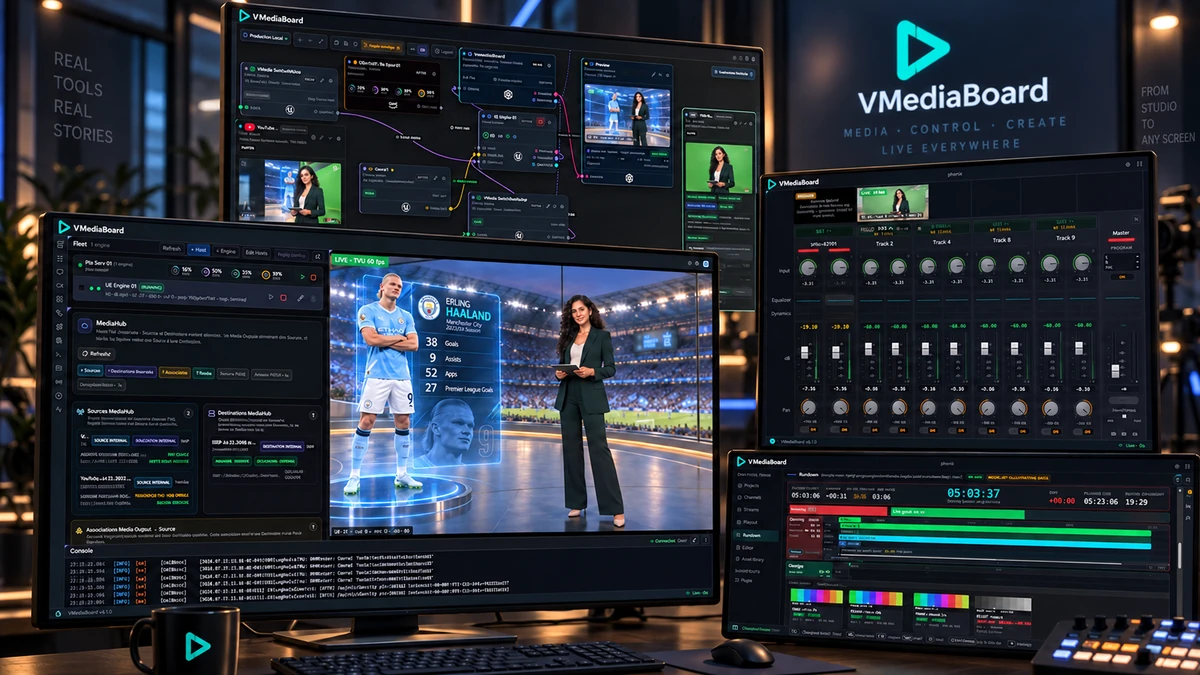
How did Pixelstorm solve the hard production equation? Advanced cinematic quality with cloud flexibility and stable in-house engineering
The world of television and film production has seen a revolution driven by Virtual Production and Extended Reality (XR). At the heart of this shift, engineering solutions are rewriting the rules of broadcasting from behind the curtain.
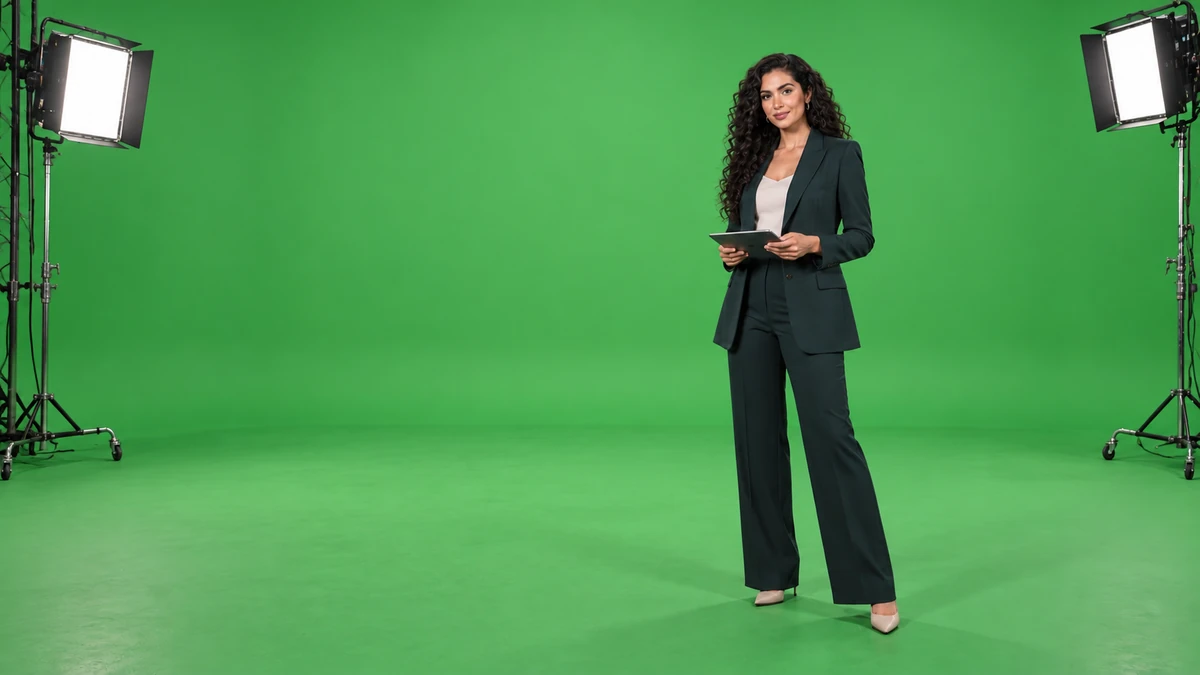
🧬 The philosophical core of virtual production: carrying visual concepts into smart pixel processing
The engineering vision of the VMediaBoard system is not limited to managing the software infrastructure; it extends to adapting the core concepts and fundamental philosophy of advanced virtual production.